A septic system quietly handles wastewater every day, making it one of the most important yet often overlooked parts of a property. When functioning properly, it safely collects, separates, and treats household wastewater before returning it to the surrounding soil. However, over time, solid waste accumulates inside the septic tank and cannot break down completely.
If these solids are not removed through regular pumping, they can cause backups, unpleasant odors, slow drains, and even costly damage to the septic system. Understanding the septic tank pumping process helps homeowners appreciate why routine maintenance is essential for protecting both their property and the environment. Contact The Septic Guys for more information.
What Is Septic Tank Pumping?
Septic tank pumping is the process of removing accumulated sludge, scum, and wastewater from a septic tank using specialized vacuum equipment. As wastewater enters the tank, heavier solids settle to the bottom to form sludge while lighter materials such as grease and oils float to the top as scum. Between these two layers is partially treated liquid that flows into the drain field for further treatment. Over time, the sludge and scum layers continue to grow, reducing the tank’s available capacity. Pumping removes these accumulated materials so the system can continue operating efficiently.
Regular pumping is an important part of septic system maintenance because solids do not disappear on their own. Even though naturally occurring bacteria help break down some organic waste, a significant amount of material remains inside the tank. Without routine removal, excess solids can eventually enter the drain field and interfere with its ability to filter wastewater properly. Keeping the tank clean helps preserve the entire septic system. Preventive maintenance supports reliable long-term performance.
Why Is Regular Septic Tank Pumping Necessary?
Routine septic tank pumping helps prevent many of the most common septic system problems. As sludge continues to accumulate, the available space inside the tank decreases, making it more difficult for wastewater to separate properly. This may result in solids being carried into the drain field, where they can clog soil and reduce the system’s effectiveness. Once a drain field becomes damaged, repairs can be both complicated and expensive. Regular pumping helps reduce these risks before they develop into major problems.
Regular maintenance also helps protect the health and comfort of everyone living on the property. A neglected septic system may produce foul odors, slow-draining sinks, gurgling plumbing fixtures, sewage backups, or standing wastewater around the drain field. Addressing these issues early through scheduled pumping helps maintain a cleaner and healthier environment. Preventive care also reduces the likelihood of emergency service calls. Consistent maintenance provides greater peace of mind.
What Happens During the Septic Tank Pumping Process?
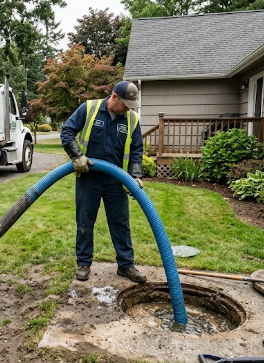
The septic tank pumping process begins with locating and accessing the septic tank. After the access lid is uncovered, the technician performs a visual inspection to evaluate the condition of the tank and identify any obvious signs of damage or unusual wear. This initial assessment provides valuable information about how the system has been performing since its last maintenance service. Identifying potential concerns early helps prevent larger issues from developing. A careful inspection supports informed maintenance decisions.
Once the inspection is complete, specialized vacuum equipment is used to remove the contents of the septic tank. Powerful hoses extract the liquid, sludge, and floating scum layers until the tank is thoroughly emptied. During this stage, technicians may also inspect internal components such as baffles or inlet and outlet openings to verify that wastewater is flowing correctly. After pumping is complete, the tank is securely closed and prepared to resume normal operation. The entire process is designed to restore the tank’s available capacity safely and efficiently.
How Often Should a Septic Tank Be Pumped?
The ideal pumping schedule varies because every property generates different amounts of wastewater. Household size is one of the most important factors since more occupants generally produce more wastewater and solid waste. Tank size, daily water usage, garbage disposal habits, and the overall condition of the septic system also influence how quickly solids accumulate inside the tank. Some properties may require pumping more frequently than others depending on these conditions. Regular inspections help determine the most appropriate maintenance schedule.
Waiting until problems become visible is generally not recommended because many septic issues develop gradually over time. Slow drains, unpleasant odors, sewage backups, or wet areas near the drain field often indicate that maintenance has been delayed for too long. Following a routine pumping schedule helps prevent these warning signs from appearing in the first place. Preventive maintenance is usually far less expensive than repairing a neglected septic system. Staying ahead of maintenance protects the entire wastewater treatment system.
How Can Homeowners Help Extend the Time Between Pumping Services?
Although pumping is unavoidable, homeowners can adopt habits that help reduce unnecessary stress on the septic system. Conserving water by repairing leaks, spreading out laundry loads, and using water efficiently allows the system more time to process wastewater effectively. Excessive water entering the tank too quickly can interfere with the natural separation process. Responsible water use supports healthier system operation. Small daily habits contribute to long-term performance.
Proper waste disposal is equally important for maintaining septic system health. Only human waste and toilet paper should be flushed into the system, while grease, oils, wipes, paper towels, feminine hygiene products, and other non-biodegradable materials should be disposed of separately. Excessive food waste and harsh chemicals may also disrupt the natural bacterial balance inside the tank. Protecting the septic system from unnecessary strain helps extend its service life. Responsible use supports more efficient operation.
What Are the Benefits of Professional Septic Tank Pumping?
Professional septic tank pumping provides more than simply removing accumulated waste. Experienced technicians can identify developing problems such as damaged baffles, excessive sludge buildup, structural cracks, or signs of drain field concerns before they become major repairs. Early detection often allows corrective action to be taken while problems are still manageable. Professional inspections contribute to more reliable long-term system performance. Preventive maintenance reduces the likelihood of unexpected failures.
Specialized pumping equipment also ensures that the tank is emptied safely and thoroughly. Proper waste removal requires powerful vacuum systems that can extract both liquid and solid materials without damaging the septic tank or surrounding property. Professionals also understand how to handle wastewater responsibly according to applicable environmental regulations. Their knowledge helps protect both the property and nearby natural resources. Professional service supports safe and efficient septic system maintenance.
How Does Routine Pumping Protect Your Property?
Regular septic tank pumping helps protect one of the property’s most valuable infrastructure systems. Preventing excessive sludge buildup reduces the risk of wastewater backups, plumbing problems, drain field damage, and premature septic system failure. Maintaining proper system performance also helps preserve landscaping by preventing untreated wastewater from surfacing around the property. A well-maintained septic system operates more efficiently while requiring fewer major repairs. Preventive maintenance protects long-term property value.
Routine pumping also contributes to a cleaner and healthier living environment by reducing unpleasant odors and minimizing the possibility of wastewater contamination. Homeowners who invest in regular septic maintenance often experience fewer unexpected plumbing issues and greater confidence in their wastewater system’s reliability. Caring for the septic system today helps avoid costly repairs in the future. Consistent maintenance provides lasting benefits for both the property and its occupants.
Final Thoughts
The septic tank pumping process is an essential part of maintaining a healthy and efficient septic system. By removing accumulated sludge and scum before they interfere with normal operation, routine pumping helps prevent backups, protect the drain field, and extend the lifespan of the entire wastewater treatment system. Combined with responsible water use, proper waste disposal, and regular inspections, scheduled pumping allows septic systems to perform reliably for many years. Understanding how the pumping process works encourages homeowners to take a proactive approach that protects their property, supports environmental responsibility, and reduces the risk of costly repairs.