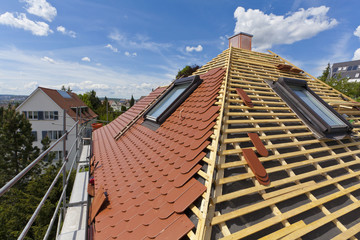
A roof is one of the most critical components of any building, serving as the first line of defense against the elements. Over time, however, roofs are exposed to harsh weather conditions, wear and tear, and structural challenges that can lead to common roofing problems.
Identifying these issues early and knowing how to address them can save property owners from costly repairs and extend the lifespan of the roof. This article explores the most common roofing problems and provides practical solutions to fix them. Visit this website at https://www.cedarparkroofingpro.com to learn more.
1. Leaks and Water Damage
Causes
Roof leaks are one of the most common problems faced by homeowners. They can occur due to several reasons, including damaged shingles, cracked flashing, improperly sealed vents, or accumulated debris. Water can seep through these weak spots, causing interior damage such as stains on ceilings and walls, mold growth, and structural weakening of the roof deck.
Signs of a Leak
Some warning signs of a roof leak include:
- Water stains on ceilings or walls
- Damp or moldy spots in the attic
- Dripping water during rain
- Missing, cracked, or curling shingles
Solutions
- Replace Damaged Shingles: Remove the broken shingles and install new ones of the same material.
- Seal Flashing and Vents: Use roofing sealant or caulk to secure flashing around chimneys, vents, and skylights.
- Clear Debris: Ensure gutters and downspouts are clean to prevent water from backing up and causing leaks.
- Professional Inspection: If the leak persists, consult a roofing professional to inspect hidden areas or structural damage.
2. Damaged or Missing Shingles
Causes
Shingles can be damaged by high winds, hail, falling branches, or improper installation. Missing shingles not only affect the roof’s appearance but also compromise its ability to protect against water intrusion.
Signs of Damage
- Shingles that are cracked, curled, or buckled
- Granules from shingles found in gutters
- Bare patches exposing the underlying roof deck
Solutions
- Replace Individual Shingles: Lift the damaged shingle and slide a new one into place, securing it with roofing nails and adhesive if necessary.
- Full Roof Replacement: If a large section of the roof has missing or damaged shingles, a partial or full replacement may be more cost-effective.
3. Roof Punctures and Holes
Causes
Punctures can be caused by falling debris, animals, or foot traffic on the roof. Holes, even small ones, allow water and pests to enter and can worsen if left untreated.
Signs
- Water dripping inside the property
- Visible holes or punctures on the roof surface
- Unexplained mold or mildew in attic spaces
Solutions
- Patch Small Holes: Use roofing cement or a patching kit for minor punctures.
- Replace Damaged Sections: For larger holes, replace the affected shingles or roofing material entirely.
- Preventive Measures: Avoid walking on the roof unnecessarily, and trim overhanging tree branches.
4. Sagging Roof Deck
Causes
A sagging roof deck can result from prolonged water damage, excess weight, or structural failure. It is a serious issue that requires immediate attention, as it may lead to roof collapse if ignored.
Signs
- Uneven or dipping rooflines
- Cracks in the ceiling below the roof
- Doors and windows that stick due to shifting framing
Solutions
- Remove Excess Weight: Remove heavy debris or accumulated snow.
- Reinforce Roof Structure: Install additional supports such as joists or braces under the sagging area.
- Professional Evaluation: A structural engineer or roofing professional should inspect severe sagging to ensure safety.
5. Poor Ventilation and Insulation
Causes
Inadequate ventilation or insulation can lead to heat and moisture buildup in the attic, which accelerates shingle deterioration and increases energy costs. Condensation may form, leading to mold growth and wood rot.
Signs
- Excessive heat in the attic
- Ice dams forming in winter
- Mold growth on roof decking or insulation
- Premature shingle aging
Solutions
- Install Roof Vents: Ridge vents, soffit vents, and gable vents improve airflow and reduce heat buildup.
- Upgrade Insulation: Proper insulation prevents heat transfer and reduces condensation.
- Inspect Regularly: Ensure vents are not blocked by debris or insulation.
6. Cracked or Broken Flashing
Causes
Flashing is used around chimneys, vents, and skylights to prevent water intrusion. Over time, it can corrode, crack, or loosen, leading to leaks.
Signs
- Water leaks around chimneys, vents, or skylights
- Visible gaps or cracks in flashing
- Rust or corrosion on metal flashing
Solutions
- Seal Minor Cracks: Use roofing cement or silicone caulk to seal small cracks or gaps.
- Replace Flashing: Damaged flashing should be removed and replaced with new, properly installed pieces.
- Regular Maintenance: Inspect flashing annually to catch problems early.
7. Algae, Moss, and Lichen Growth
Causes
Moist and shaded areas of a roof provide the perfect environment for algae, moss, and lichen to thrive. These organisms retain moisture and can accelerate shingle deterioration.
Signs
- Green, black, or brown streaks on shingles
- Visible moss or lichen growing on the roof
- Shingles lifting or curling due to moisture retention
Solutions
- Clean Roof Surface: Use a gentle roof cleaning solution or a mixture of water and mild bleach to remove growth. Avoid pressure washing, which can damage shingles.
- Install Zinc or Copper Strips: These metals release ions that inhibit moss and algae growth over time.
- Regular Maintenance: Trim overhanging branches to allow sunlight and improve airflow.
8. Gutter Problems
Causes
Clogged or damaged gutters prevent proper water drainage, leading to water pooling on the roof, leaks, or damage to fascia boards and siding.
Signs
- Water overflowing from gutters
- Sagging or detached gutters
- Stains or rot on exterior walls
Solutions
- Clean Gutters Regularly: Remove leaves, twigs, and debris at least twice a year.
- Repair or Replace Gutters: Fix sagging gutters or replace damaged sections to ensure proper drainage.
- Install Gutter Guards: These prevent debris accumulation and reduce maintenance.
9. Ice Dams in Winter
Causes
Ice dams occur when snow on the roof melts and refreezes at the eaves, creating a barrier that prevents proper drainage. This can lead to leaks and water damage inside the home.
Signs
- Ice forming along roof edges
- Water stains on ceilings during winter
- Icicles hanging from gutters
Solutions
- Improve Insulation and Ventilation: Proper attic insulation prevents heat from escaping and melting snow prematurely.
- Remove Snow Safely: Use a roof rake to clear snow before it refreezes.
- Install Ice and Water Shields: These membranes prevent water from seeping under shingles.
10. Aging Roof
Causes
Every roof has a lifespan, and natural aging causes materials to deteriorate, lose granules, or become brittle. While this is not a sudden problem, it gradually reduces the roof’s effectiveness.
Signs
- Shingles losing granules or curling at edges
- Leaks or water intrusion
- Worn-out flashing and seals
Solutions
- Regular Inspections: Monitor the roof for signs of aging and minor damage.
- Spot Repairs: Replace damaged shingles or seal minor leaks.
- Plan for Replacement: When a roof nears the end of its lifespan, consider full replacement to avoid emergency repairs.
Preventive Measures for a Healthy Roof
While addressing problems is essential, preventing roofing issues in the first place can save time and money. Here are some preventive steps:
- Routine Inspections: Check the roof at least twice a year and after major storms.
- Clean Gutters and Downspouts: Ensure water flows freely away from the roof.
- Trim Trees: Avoid branches rubbing against shingles or dropping debris.
- Address Issues Early: Repair minor damage promptly to prevent bigger problems.
- Hire Professionals: Periodic professional inspections can catch issues invisible to the untrained eye.
Conclusion
Roofs face numerous challenges throughout their lifespan, from weather-induced damage to natural wear and tear. Common roofing problems such as leaks, damaged shingles, poor ventilation, and ice dams can compromise the integrity of a home if not addressed promptly. Understanding the signs of these issues and knowing the appropriate fixes allows property owners to protect their investment, enhance safety, and extend the life of their roofs. Whether it’s performing minor repairs yourself or consulting a professional for more serious damage, proactive maintenance is key to a strong, reliable roof that stands the test of time.