The first layer is where protection begins. Beneath every well-built structure lies a story of precision, design, and durability. Siding contractors play a role that is often unseen but deeply essential in shaping how homes and buildings endure the test of time. Their work is a union of craftsmanship, innovation, and foresight that shields structures while defining their personality.
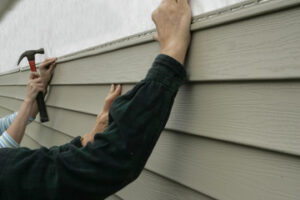
Siding Contractors Helena MT have evolved far beyond mere installers of panels. They now serve as designers who understand the science of materials, the flow of architecture, and the art of blending function with beauty. Each siding project begins with an assessment not just of appearance but of resistance, sustainability, and performance. The right siding transforms a wall into a fortress that breathes, reflects, and adapts to its environment.
In today’s world, siding has become a reflection of technological and environmental awareness. Contractors now explore composite materials that mimic natural textures but outperform them in resilience. Innovations in polymer science have led to siding that resists fading, cracking, and corrosion even under severe conditions. This is not simply construction—it is evolution in motion.
The knowledge required by siding professionals today goes beyond installation. They must master thermal dynamics, acoustics, and moisture control to create efficient enclosures. A well-executed siding system reduces energy loss, enhances insulation, and minimizes maintenance costs. Contractors who understand these layers of science bring value that endures long after the project is completed.
One of the most fascinating developments is how siding contractors adapt to sustainable construction demands. Recycled components and biodegradable coatings are now part of their palette. These eco-conscious approaches redefine what protection means, combining longevity with responsibility. Homeowners no longer settle for looks alone—they seek ethics in design.
Siding contractors also navigate the psychology of aesthetics. Every color, texture, and line contributes to emotional responses that define comfort and identity. A sleek metallic finish might project modernity, while warm wooden tones invite nostalgia. Through siding, contractors translate personality into architecture, turning blank exteriors into statements of intent.
Weather adaptability is another domain of expertise. Contractors analyze wind patterns, humidity levels, and temperature fluctuations before installation. The goal is to create surfaces that respond flexibly to nature’s unpredictability. This analytical precision ensures that siding not only endures but thrives where it stands.
The digital age has transformed how siding contractors operate. Drones now assist in surveying complex façades, while 3D scanning ensures millimeter-level accuracy in planning. Virtual modeling allows clients to preview transformations before a single panel is installed. These tools merge imagination with engineering in ways that redefine the boundaries of craftsmanship.
The new generation of siding specialists views themselves as environmental artists. They treat each structure as a living organism that must coexist with its surroundings. The siding becomes its skin—protective yet expressive. This philosophy fosters a balance between technical precision and creative intuition.
One rising concept among siding experts is adaptive layering. This approach involves installing multiple functional coatings that react differently to sunlight, temperature, and air pressure. It’s an advanced form of protection that anticipates change rather than merely resisting it. Adaptive siding can even self-heal minor abrasions or adjust thermal conductivity across seasons.
Another modern challenge lies in acoustical engineering. In urban settings, siding plays a role in soundproofing against external noise. Contractors now integrate materials that dampen vibrations while maintaining aesthetic harmony. The result is peace that is both visual and auditory, achieved through precise layering and intelligent design.
Technology has also introduced the idea of smart siding systems. These are integrated with sensors that detect structural stress, humidity changes, or external impacts. Contractors must now collaborate with engineers and data analysts to ensure such systems function flawlessly. The siding, once static, has become interactive and responsive.
Safety remains the core of every contractor’s mission. Fire-resistant composites, impact-tested panels, and engineered fasteners are now standard in high-performance builds. Modern siding contractors study how to contain hazards and prevent structural damage through advanced installation techniques. They are builders of resilience, not just appearance.
Training has taken on new importance in the siding industry. Apprentices now undergo immersive learning in material science, robotics, and environmental compliance. The craft demands both manual dexterity and digital fluency. The most successful contractors are those who merge traditional skill with modern adaptability.
Client collaboration has transformed too. Siding contractors now engage in consultative partnerships, helping clients understand lifecycle costs and energy performance. Instead of simply executing orders, they educate and co-create. This transparency strengthens trust and elevates the quality of design decisions.
Cultural shifts have influenced siding aesthetics as well. Contractors increasingly respond to minimalist trends that favor clean lines and matte textures. Others embrace eclectic blends that mimic stone, wood, or metal while maintaining sustainable origins. This creative diversity keeps the profession dynamic and constantly reinventing itself.
One subtle but vital element of siding work is water management. Poorly designed exteriors can lead to hidden moisture damage. Contractors now incorporate vapor barriers, drainage channels, and vented façades to maintain healthy air flow. The smallest gap or seal becomes a matter of longevity and protection.
Behind every panel lies a story of teamwork. Siding contractors collaborate closely with architects, roofers, and insulation experts to ensure a cohesive envelope. Their contribution may seem secondary, but it defines how well the structure performs as a system. They are the quiet architects of endurance.
Another evolving practice is modular installation. Prefabricated siding sections allow faster assembly and reduced waste. Contractors embrace this efficiency while maintaining precision in fit and alignment. This modular future hints at construction methods that are faster, smarter, and cleaner.
Digital documentation has become a vital part of modern siding projects. Every phase—from inspection to installation—is now recorded for future maintenance tracking. Contractors leverage these digital records to anticipate wear patterns and optimize long-term care. The result is a data-driven approach to physical construction.
As communities shift toward net-zero energy goals, siding contractors play an unsung role. Their choices directly influence a building’s thermal envelope and overall energy efficiency. Through reflective coatings, insulated cladding, and airtight sealing, they contribute silently to sustainability targets.
In the realm of aesthetics, texture innovation has exploded. Contractors now experiment with embossed patterns, tactile finishes, and color layering that shift under changing light. The exterior becomes a living canvas that interacts with the sun, clouds, and shadows throughout the day. Such artistry turns function into fascination.
Repair and restoration have also taken new form. Instead of full replacements, contractors use targeted micro-restoration techniques that minimize waste. Damaged areas are analyzed using digital imaging to ensure color and texture match perfectly. The craft now emphasizes precision recovery over mass renovation.
Resilience against time defines the new age of siding craftsmanship. Contractors are not merely battling elements but anticipating future challenges. They design for adaptability—so the exterior can evolve with technological upgrades or environmental changes without losing integrity.
Economic awareness shapes their work too. Contractors help clients assess return on investment through maintenance projections and material lifespan. The siding becomes not just an aesthetic expense but a calculated asset. This business-savvy approach reflects the maturity of the modern trade.
Cultural narratives also find their way into siding designs. Some projects reflect local artistry through patterns or hues inspired by tradition. Contractors who respect cultural aesthetics preserve identity through modern craftsmanship. The result is architecture that breathes heritage through contemporary forms.
The digital future hints at even more radical innovations. Nanocoated surfaces that repel pollutants, bioengineered materials that self-clean, and solar-integrated panels are becoming prototypes. Siding contractors will soon work at the intersection of construction and biotechnology. The outer wall may one day power the building it protects.
The challenges remain demanding. Extreme climates, shifting regulations, and rapid material evolution require continuous learning. Contractors who thrive are those who treat every project as an experiment in excellence. They evolve with purpose rather than merely adapting to survival.
Amid this complexity, one truth remains unchanged. The siding contractor’s craft is a balance between protection and expression. They ensure that walls do more than divide—they define, defend, and endure. Each nail and panel represents a promise of safety wrapped in beauty.
The future of siding will be marked by fusion—where technology, art, and sustainability converge. Contractors will stand at the forefront of this transformation, crafting not just exteriors but experiences. Their skill will shape how humanity perceives shelter in a world that demands both strength and empathy.
And so, the quiet legacy of siding contractors continues. They are the guardians of the outermost layer, where architecture meets atmosphere. Their art is subtle but their impact immense, woven into every shadow, every reflection, and every line that stands between nature and home.